

A key system allows you to control access to all of the locked openings in your facility from the front door to high security server rooms. It is the result of the choices you make for the cylinders on your locks as well as ease of key duplication you prefer for your facility. For instance, if high security is your top priority you should consider a system where key design is restricted and duplication is tightly controlled. Other facilities may prefer convenient and easily accessible key duplication.
System configuration steps
1. Identify the openings in your building
Before you begin to configure your system, identify all of the openings in your facility. Start at the exterior and move through the building`s core. Consider grouping openings into categories, such as by building, department or floor. This will allow you to consider the security level and key control for each area of the building.
2. Select a cylinder format
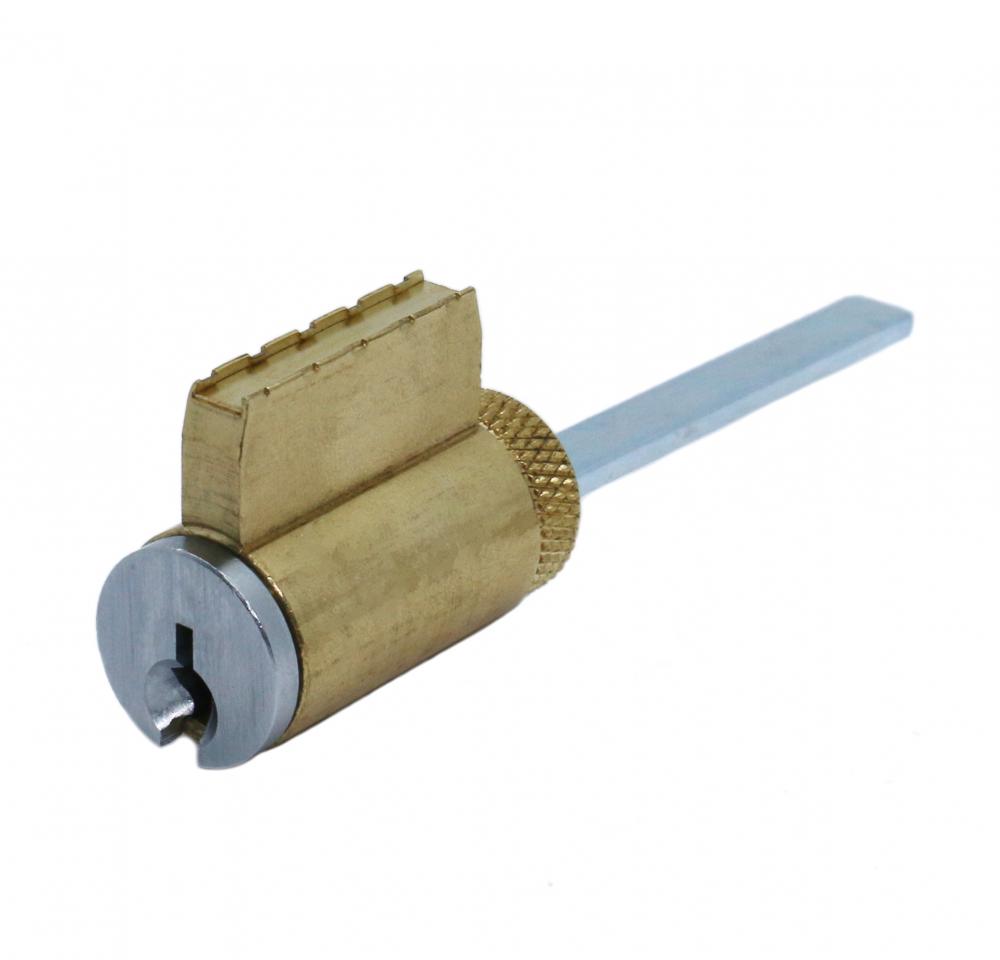
Conventional cylinders
Full size cylinders designed specifically for Andja products. Conventional cylinders require some breakdown of the lock for removal and replacement. The types of cylinders available are: Key-in-knob/lever, mortise and rim cylinders, based on the industry standard plug diameter of 1⁄2".
Interchangeable cylinders
Can be replaced and installed without breakdown of the lock.
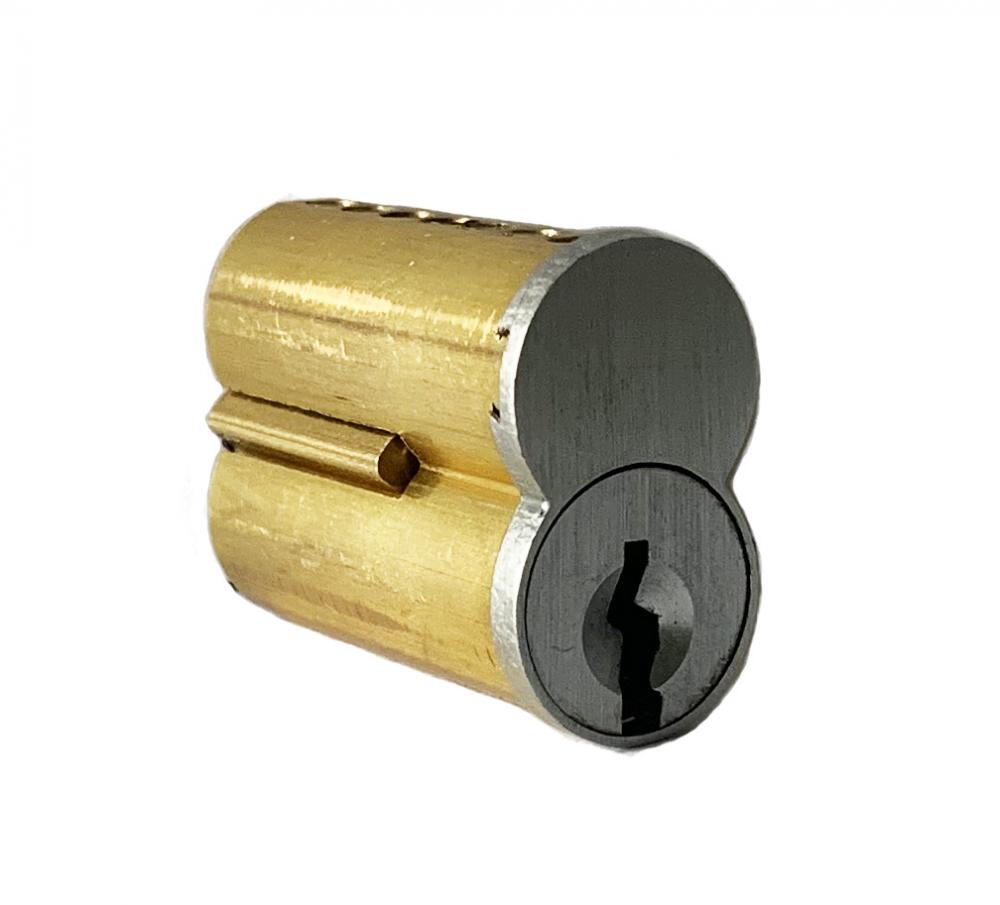
Small format (SFIC)
Can be used to replace cores from other brands . Based on the industry standard plug diameter of 1⁄2".
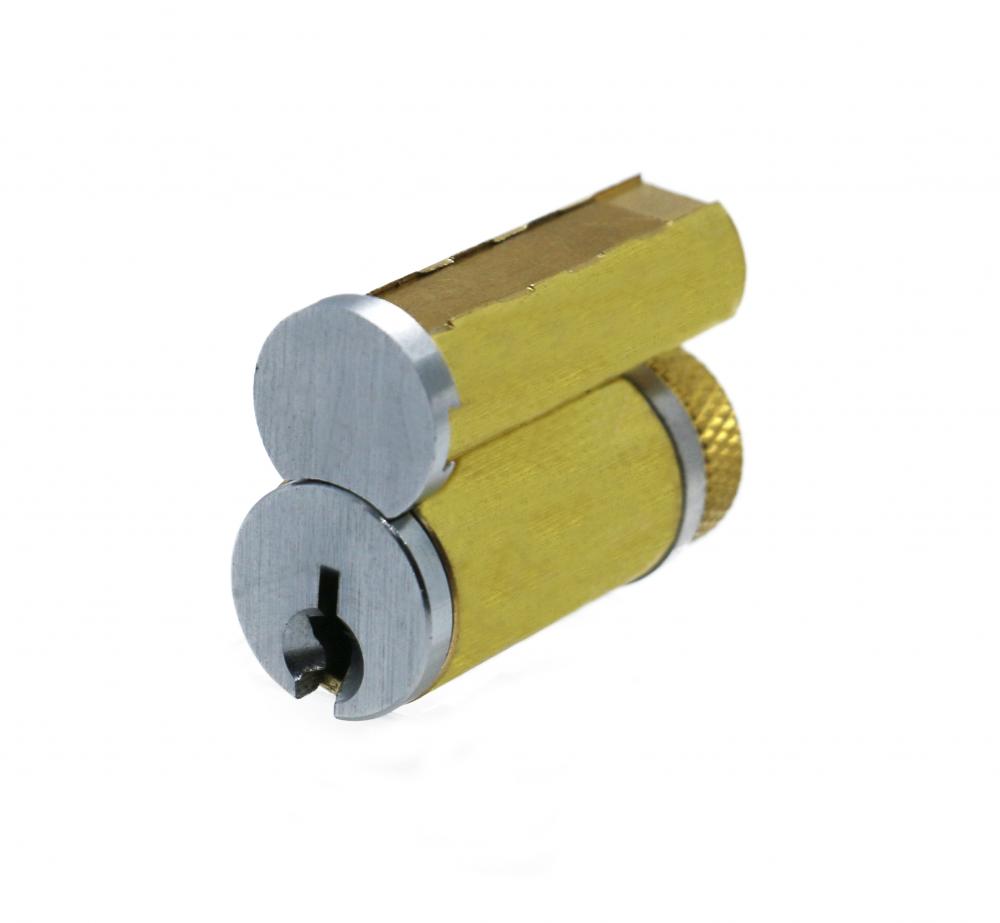
Large format (LFIC)
Large format interchangeable cores are based on the industry standard plug diameter of 1⁄2" utilizing the same key families as conventional cylinders.
3.Select a keyway and key control
Open key control
Standard keyways easily duplicated and available without any ordering formalities.
Exclusive key control
Keyways which use blanks that are very hard to find in the marketplace.
Restricted key control
Special non-stock keyways set aside for limited use and a higher degree of key control. A letter of authorization is required to process orders for keys, blanks and cylinders.